
Posts by Supplemental Health Care
Why Continuing Education for Nurses Matters

Continuing education is a vital component of a successful nursing career. With the ever-evolving landscape of the healthcare field, it is essential for nurses to stay ahead of the curve by pursuing additional education and training. Continuing education units (CEUs) provide nurses with the opportunity to expand their knowledge, skills, and expertise in various specialty…
Read MoreSupplemental Health Care: The Future of Workforce Solutions

As Supplemental Health Care (SHC) marks its 40th anniversary, it’s time to reflect on past achievements and look ahead toward a future shaped by innovation and a commitment to care. From our roots in 1984 as a small psychiatric travel nursing firm in Buffalo, NY, SHC has evolved into a national leader in workforce solutions.…
Read MoreCare More Spotlight: Commitment to Building Connections

Tales of Tostada is a children’s book that Christian recently published as a fun way to read with his students while teaching them a lesson about friendship.
Read MoreNursing Schedules: Mastering the Challenge of Workforce Management

By its very nature, nursing is a demanding profession that requires 24/7 coverage, making workforce management an ongoing challenge for healthcare organizations. From managing staff shortages to balancing nurses’ workloads and preventing burnout, mastering the complexities of nursing schedules is a key element of successful healthcare operations. With thoughtful planning, modern tools, and a focus…
Read MoreDecoding Healthcare Compliance: A Comprehensive Guide

Healthcare compliance is one of the most critical components of any healthcare organization. Compliance ensures that hospitals, clinics, and other healthcare providers operate according to the laws, regulations, and guidelines that govern the industry. Compliance programs help safeguard patient safety, protect sensitive information, and promote ethical practices within healthcare institutions. However, the complex and ever-evolving…
Read MoreTop Interview Tips for Travel Nurses

With the demand for travel nurses on the rise, it is essential to be well-prepared and confident during interviews to stand out from the competition.
Read MoreChallenges and Opportunities in Recruiting Rural Healthcare Workers

Recruiting healthcare workers in rural areas presents unique challenges, but also offers opportunities for innovative solutions. Rural communities often face healthcare shortages, making providing adequate care to patients in remote regions difficult. Geographic isolation, limited resources, and competitive healthcare markets contribute to these challenges, but with the right strategies and partnerships, healthcare organizations can overcome…
Read MoreYour Guide to 13 Spooky Travel Destinations This October
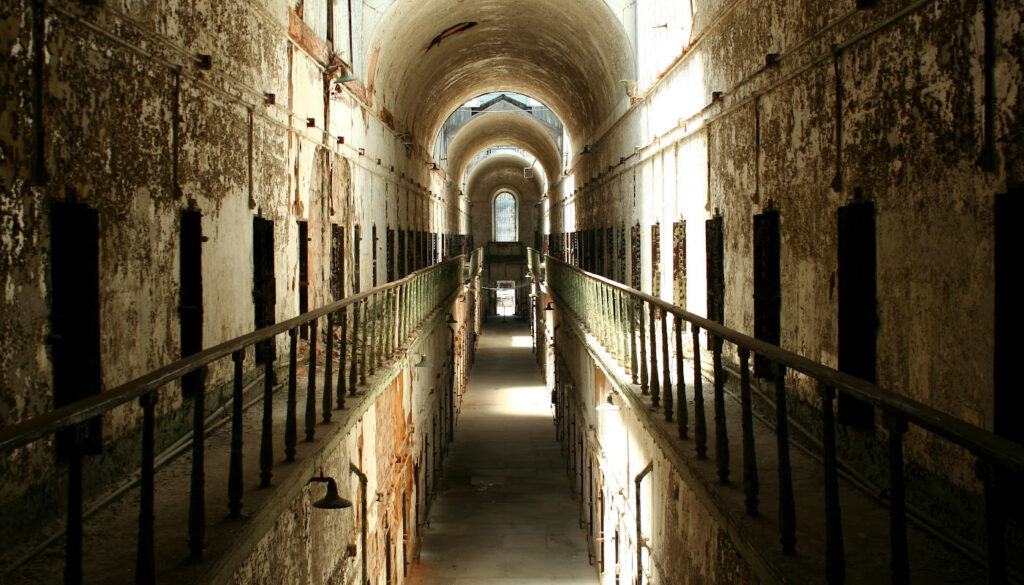
“Spooky” probably doesn’t come to mind when considering your next travel nursing or therapy assignment location, but these haunted destinations have a lot to offer healthcare travelers.
Read MoreThe Role of a Board Certified Behavior Analyst (BCBA): A Comprehensive Overview

A board-certified behavior analyst is a healthcare provider trained to study behavior patterns across developmental disorders and helps advocate for clients and improve a variety of behavior health related issues.
Read MoreBenefits of Remote Monitoring for Patients and Healthcare Providers

Remote monitoring has emerged as a transformative tool in healthcare, offering significant benefits for patients and healthcare providers. This year, 30 million patients will use some form of these tools to monitor their health. Remote monitoring technology allows for the continuous tracking of patient health data outside of traditional clinical settings, leading to improved outcomes,…
Read More