
Posts by Supplemental Health Care
Keeping Rural Hospitals Open: How Supplemental Staffing Helps Manage Low Reimbursement Pressures

More than 100 rural hospitals have closed since 2013, and hundreds more remain at risk of closure. The Center for Healthcare Quality and Payment Reform estimates that over 600 rural hospitals in the United States are either at immediate or high risk of shutting their doors. The leading cause is not a shortage of patients.…
Read MoreEmpowering Nurse Mental Health with Operation Happy Nurse

Nurses are an important part of the healthcare ecosystem. They provide hands-on support to patients in hospitals, schools, medical centers, and other settings. But, as a nurse, you know that it can become overwhelming at times. A patient could pass away. A family member could become violent. You might have your own health issues or…
Read MoreHow Behavioral Health Staffing Agencies Support Workforce Needs in a Growing Field

The demand for behavioral health professionals is rising, but the workforce supply has not kept pace. As of March 2023, approximately 160 million Americans, about half the population, were living in regions with documented mental health provider shortages, with over 8,000 additional professionals needed to adequately serve those communities. As patient needs increase across hospitals, clinics,…
Read MorePT Compact 2025: What Travel Physical Therapists Should Know
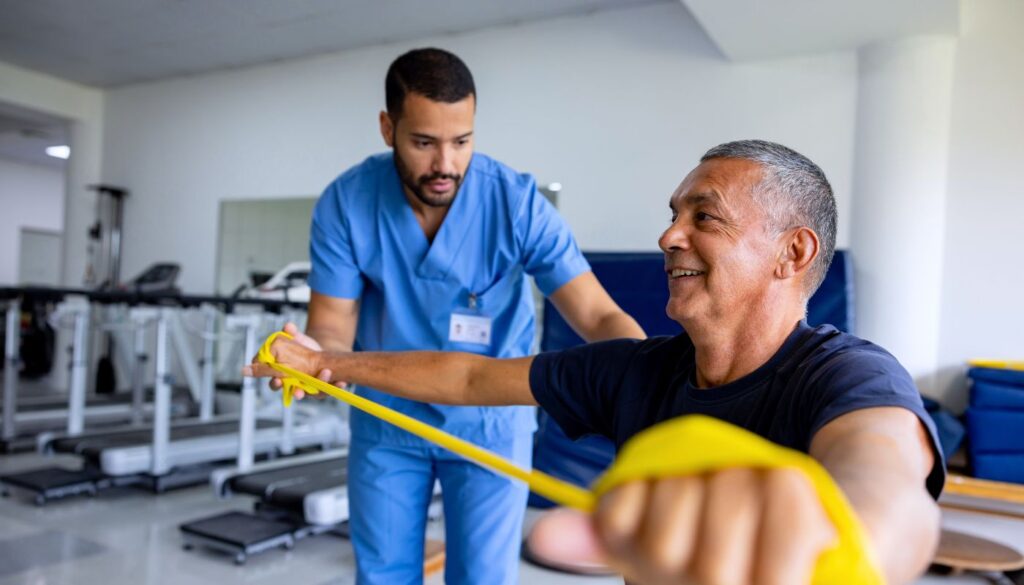
If you are a physical therapist interested in traveling for work or working across state lines via telehealth, one of the ways you could do so is through the Physical Therapy Compact, also known as the PT Compact. The PT Compact helps to streamline multi-state licensing for physical therapists and physical therapist assistants, allowing eligible…
Read MoreUsing Telehealth to Support Integrated Behavioral Health in Rural Schools: A Solution to Staffing Shortages

Behavioral health needs often go unmet, not because schools don’t care, but because they can’t find professionals to fill the roles. Recruiting psychologists, social workers, or licensed counselors to work onsite in remote areas remains a persistent challenge. Meanwhile, students dealing with trauma, anxiety, or depression wait for help that may never come. Telehealth offers…
Read More2025 Career Trends for Nurses in Emergency Services
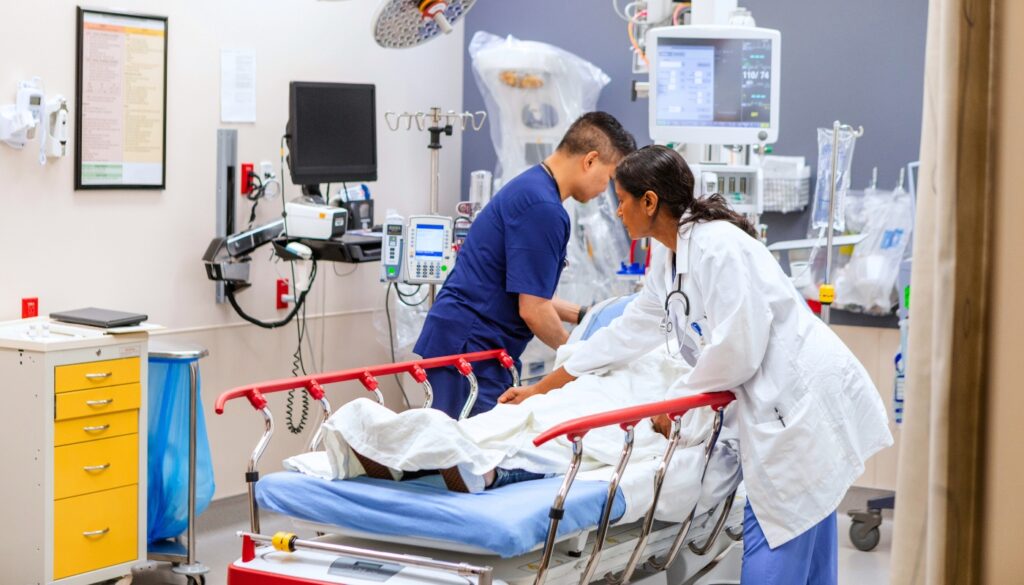
Emergency nurses need to be competent in quick assessments, accurate diagnoses, and providing effective treatment in the ER or ED.
Read MoreImproving Patient Outcomes in Ambulatory Settings with MSP Support

Ambulatory care facilities have become the front door to modern healthcare. From routine checkups to chronic disease management, these settings often serve as the first and only point of contact for many patients. Yet even minor disruptions such as missed appointments or provider shortages can erode trust and impact health outcomes. As expectations around patient…
Read More2025 Career Outlook for Critical Care and ICU Nurses

If you are considering a career as an intensive care unit (ICU) or critical care unit (CCU) nurse, then you should know that these are challenging specialties. At the same time, however, they can be extremely rewarding, as you’ll work in a fast-paced environment helping some of the most vulnerable patients as they heal or…
Read MoreThe Talent Crisis in Post-Acute Care: What Health Systems Are Doing to Fill the Gaps

Across the country, skilled nursing facilities (SNFs) face staffing shortages and long waitlists for patients. That’s left hospitals with fewer post-acute care options at a time when patient acuity and discharge complexity are rising. Beds remain occupied by individuals who no longer need inpatient care but can’t safely return home. This growing gap puts pressure…
Read MoreArtificial Intelligence (AI) in School Nursing: What to Know

Specifically in schools, artificial intelligence can support school nurses as they work on administrative tasks like documentation and record keeping as well as monitoring student illness and infection trends.
Read More